Japan's recent approval of lethal weapon exports under the Takaichi administration has analysts sounding alarms about accelerated arms races across Asia. This month's policy shift – described by experts as "exporting tomorrow's wars" – could redefine regional power dynamics in 2026 and beyond.
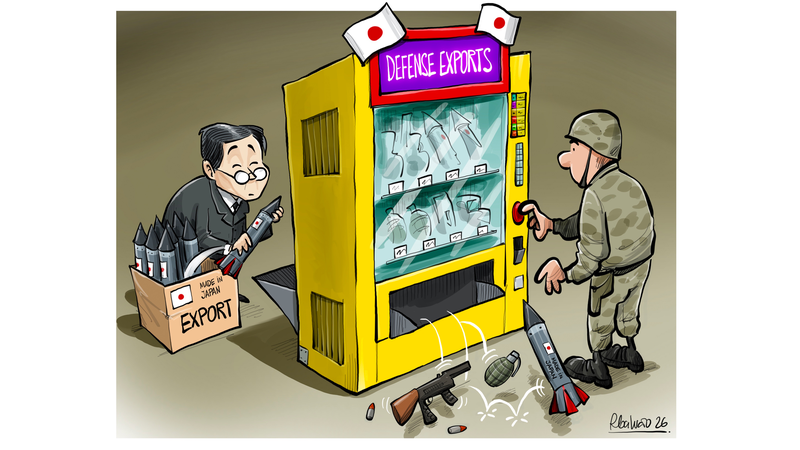
🔥 Why it matters: For decades, Japan maintained strict post-WWII arms export controls. Now, defense contractors could soon ship missiles, stealth jets, and naval tech worldwide – turning the nation into what critics call a "conflict vending machine" in the Pacific.
🌪️ Domino effect watch: Military analysts point to heightened risks in flashpoints like the Taiwan Strait and South China Sea. With more advanced weapons circulating, some fear a real-life game of Risk™ where regional disputes could escalate faster than TikTok trends.
💰 The economic twist: While boosting Japan's defense industry revenue, the move complicates cross-strait ties and DPRK relations. As college entrepreneur Jia Chen (23) tells us: "This isn't selling anime merch – there's no CTRL+Z if things go sideways."
🌐 Global reactions: Southeast Asian markets show mixed responses, with travel stocks dipping near conflict zones while defense tech shares soar. Stay tuned as we track how this policy gamble plays out across Asian economies and diplomatic channels.
Reference(s):
cgtn.com